
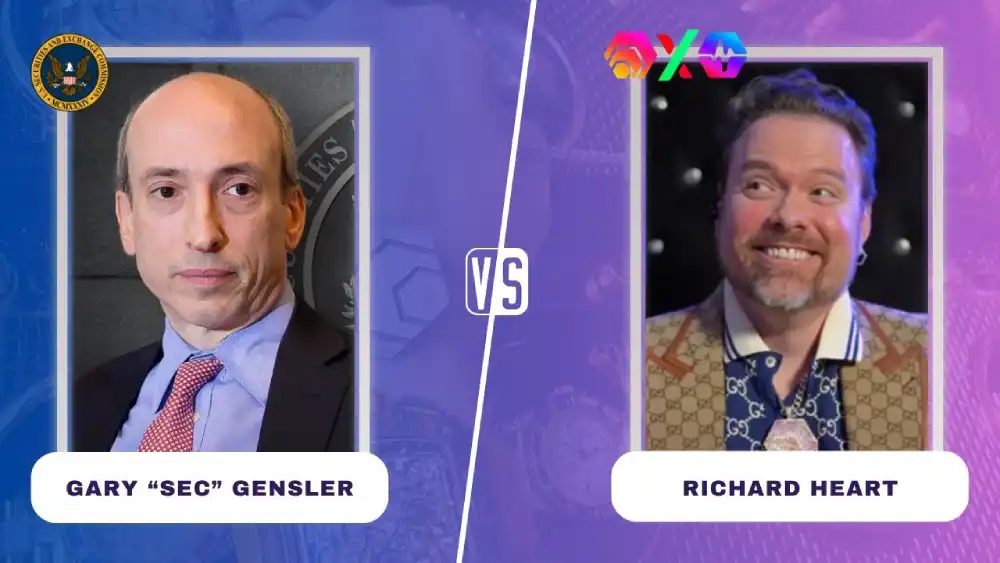
The Securities and Exchange Commission (SEC) has filed a significant lawsuit against Richard Heart (also known as Richard Schueler), the founder of cryptocurrency projects Hex, PulseChain, and PulseX. This case highlights ongoing regulatory challenges in the crypto industry and raises important questions about jurisdiction and securities law enforcement.
Key Allegations
The SEC alleges that Heart:
- Conducted unregistered offerings of crypto asset securities, raising over $1 billion.
- Misappropriated at least $12 million of investor funds to purchase luxury goods, including sports cars, watches, and a 555-carat black diamond known as ‘The Enigma.’
- Violated registration provisions of the Securities Act of 1933.
- Committed fraud through PulseChain.
Legal Proceedings
The lawsuit was filed in the U.S. District Court for the Eastern District of New York. Heart has filed a Motion to Dismiss, challenging the SEC’s jurisdiction. The SEC is opposing Heart’s motion to dismiss, asserting its authority over him due to his alleged targeting of U.S. investors.
Jurisdictional Issues
The case raises interesting questions about the SEC’s ability to regulate borderless digital asset transactions:
- The SEC filed in New York, citing Heart’s use of Uniswap, whose developers are based in Brooklyn.
- Heart, a U.S. citizen, is reportedly a resident of Helsinki, Finland.
- The outcome could have significant implications for determining jurisdiction in international digital asset cases.
Broader Implications
This case is part of a larger trend of increased regulatory scrutiny in the cryptocurrency space:
- It tests the SEC’s ability to police blockchain technology and decentralized platforms.
- The lawsuit may set precedents for future enforcement actions in the crypto sphere.
- It highlights ongoing debates about the application of securities laws to crypto tokens and platforms.
As the case progresses, it will likely continue to be closely watched by the cryptocurrency industry, legal experts, and regulators alike. The outcome could have far-reaching consequences for how digital asset transactions are regulated across borders.
Key Allegations Table
Now, we will insert the HTML code for the table detailing the key allegations against Richard Heart.
| Allegation | Details |
|---|---|
| Unregistered Offerings | Raised over $1 billion through unregistered crypto asset securities. |
| Misappropriation of Funds | Spent at least $12 million on luxury goods including sports cars and a 555-carat diamond. |
| Registration Violations | Violated registration provisions of the Securities Act of 1933. |
| Fraud | Committed fraud through PulseChain. |
Continuing with the text, the case’s jurisdictional issues are vital for understanding how cryptocurrency transactions will be regulated moving forward.
Jurisdictional Issues Table
Next, we will include the HTML code for the table addressing the jurisdictional issues raised by the SEC’s lawsuit.
| Factor | Details |
|---|---|
| SEC Filing Location | Filed in New York, citing use of Uniswap. |
| Heart’s Citizenship | U.S. citizen residing in Helsinki, Finland. |
| Jurisdictional Implications | Outcome could affect regulation of international digital asset transactions. |
The SEC’s actions in this case are indicative of a broader trend towards increased regulatory scrutiny in the cryptocurrency space. This lawsuit may not only affect Richard Heart and his projects but could also set significant precedents for how cryptocurrency and blockchain technology are regulated in the future.
Conclusion
As the case progresses, it will likely continue to be a focal point for the cryptocurrency industry, legal experts, and regulators alike. The implications of this lawsuit extend far beyond Heart’s personal situation, shaping the future of digital asset regulation on a global scale.
Leave a Reply
You must be logged in to post a comment.